
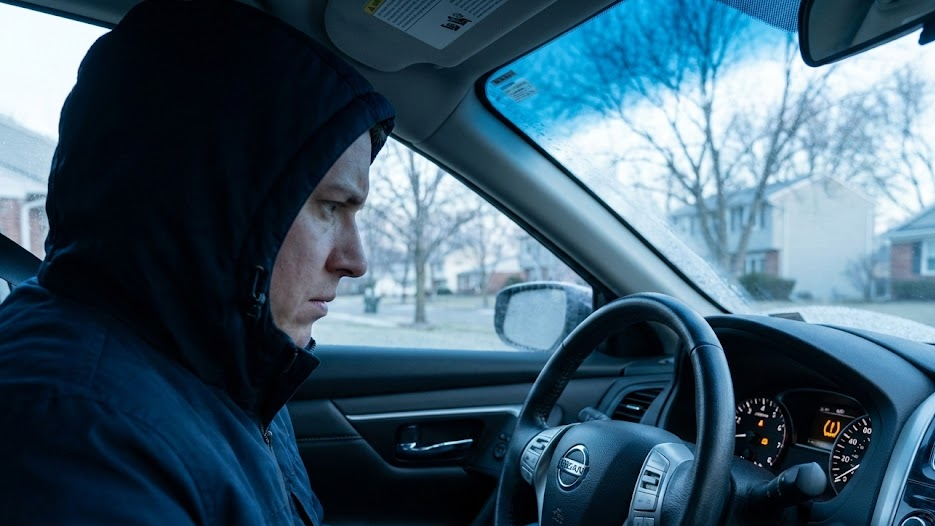
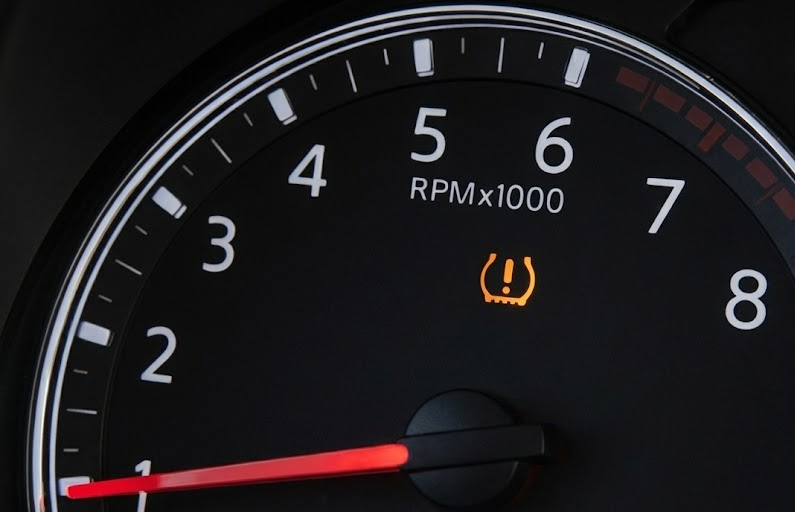
You walk out to your Nissan one crisp Knoxville morning, turn the key, and suddenly there it is—a glowing yellow symbol that looks like an exclamation point inside a horseshoe. Your heart sinks because you definitely didn’t have a flat tire yesterday. So what’s happening? Chances are incredibly high you’re experiencing one of the most common automotive phenomena in Tennessee: your Tire Pressure Monitoring System (TPMS) reacting to the season’s first cold snap. When Knoxville temperatures plunge from comfortable 60-degree afternoons to frosty 30-degree mornings—typically happening around mid-October through November—your tire pressure naturally drops, triggering that warning light even though your tires are perfectly fine. At sanservice.com/” target=”_blank”>Ted Russell Nissan Service Center, we see this situation dozens of times every fall, and we’re here to help you understand what’s happening, when to worry, and how to get that light turned off quickly.
Why Did My Tire Pressure Light Turn On This Morning?
The science is straightforward: when the mercury drops, air molecules inside your tires slow down and squeeze closer together, creating lower pressure. For every 10°F drop in temperature, your tires lose approximately 1 to 2 PSI (pounds per square inch). If Knoxville goes from 60°F to 30°F overnight—typical for East Tennessee during late October and early November—your tires could easily drop 3 to 6 PSI. That’s enough to trigger your Nissan’s sensitive TPMS sensors, which alert you when pressure falls roughly 25 percent below recommended levels.
The first freeze in Knoxville typically occurs around October 22, with overnight lows consistently reaching freezing by early November. Your Nissan’s TPMS light will probably make its first appearance right around this time on your morning commute. The good news? This doesn’t mean you have a puncture. Your tires just need a little air, and your TPMS is protecting you by catching these pressure drops early.
The “Exclamation Point in a Horseshoe”: What Your Nissan Is Telling You
That distinctive symbol on your dashboard—an exclamation point sitting inside a U-shape or horseshoe—is your Nissan’s way of communicating a tire pressure issue. This is a federally mandated safety feature required on all vehicles since 2008, designed to warn you when one or more tires has dropped to a potentially unsafe pressure level. The TPMS in your Nissan Rogue, Altima, Frontier, or Pathfinder uses sensors mounted inside each wheel to constantly monitor pressure, providing real-time alerts that help you avoid dangerous blowouts, poor fuel economy, and uneven tire wear. When you see this light illuminate steadily, it typically means one thing: low air pressure, usually caused by cold weather rather than an actual puncture.
However, there’s an important distinction you need to recognize. If your TPMS light is flashing for about a minute when you first start your Nissan, then stays solidly illuminated, you’re dealing with a system malfunction. This could indicate a dead sensor battery (these typically last 7 to 10 years), a faulty sensor, or a communication problem. A flashing TPMS light requires professional diagnosis because it means your system isn’t actively monitoring tire pressure, leaving you without that critical warning system. The certified technicians at Ted Russell Nissan Service Center can quickly diagnose whether you’re dealing with simple low pressure or a sensor issue.
When to Worry: Cold Weather vs. An Actual Flat
How do you tell the difference between a harmless cold-weather pressure drop and a genuine tire problem? The key is observing what happens after you start driving. First, visually inspect your tires to ensure none are flat. If they look okay and your TPMS light turns off after about 20 minutes of normal driving, you’re almost certainly dealing with a temperature-related issue. As you drive, friction between your tires and road generates heat, warming the air inside and causing pressure to rise back above the warning threshold. This is completely normal during cold snaps.

If the light stays illuminated after 20 minutes of driving, you genuinely need to add air. This could be due to cold weather—you simply lost enough pressure overnight—or it could indicate a slow leak. If you’re driving a newer Nissan, your Advanced Drive-Assist® Display shows exactly which tire is low through the “Tire Pressure” menu. This precise technology catches pressure drops earlier than older systems.
How to Reset the TPMS Light on Your Nissan
Once you’ve properly inflated your tires, most newer Nissan models automatically reset the TPMS light without requiring any additional steps. The system recognizes when all four tires have returned to proper pressure, and the warning light turns off after you’ve driven a few miles at speeds above 25 mph. This automatic reset is standard on 2018 and newer models like the Rogue, Altima, Pathfinder, and Murano.
If your TPMS light remains on even after confirming proper inflation, there’s a manual reset procedure. On older Nissan models, you’ll find a TPMS reset button beneath the steering wheel, near the hood release lever. With your vehicle in the “On” position, press and hold this button until the TPMS light blinks three times, then release. On newer models without this button, you can often reset the system via the dashboard settings menu. Start your engine and drive for approximately 20 minutes to allow system recalibration. If the light still won’t turn off, bring your Nissan to Ted Russell Nissan Service Center for professional diagnosis. Our factory-trained technicians have specialized diagnostic equipment to identify sensor malfunctions and ensure your TPMS functions correctly.
Skip the Gas Station Air Pump: The Ted Russell Complimentary Check
Why stand outside in 30-degree weather wrestling with a coin-operated air pump when certified Nissan technicians can handle everything? Most gas station air pumps are notoriously unreliable—the gauge is often broken, the hose leaks, and you’re left guessing. These pumps frequently require coins and shut off automatically, forcing you to feed them repeatedly while your hands freeze.
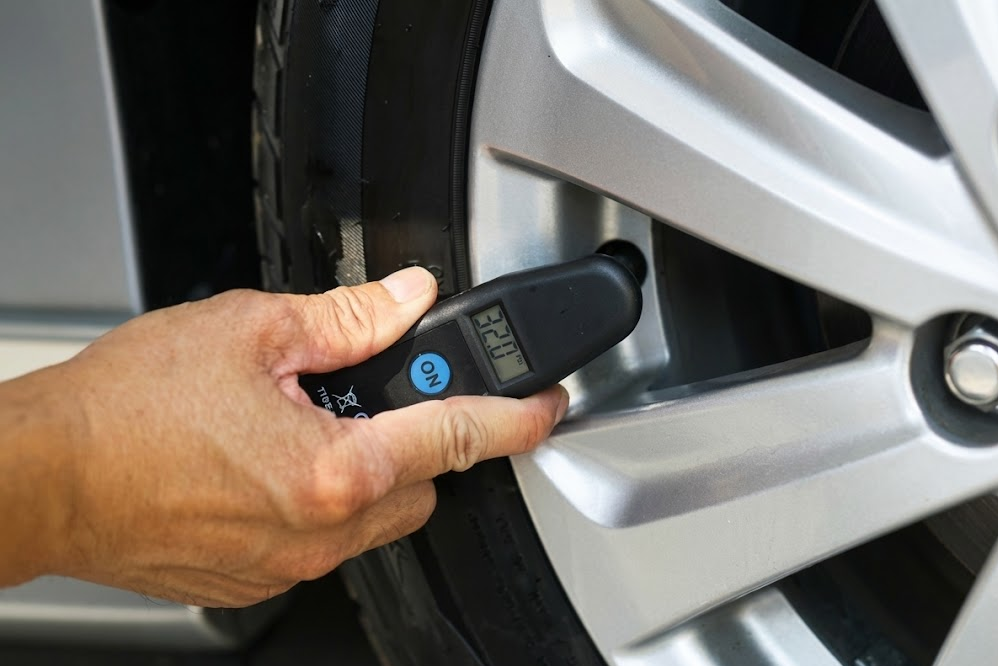
At Ted Russell Nissan Service Center, we offer a Complimentary Tire Fill & Check with service visits, meaning you get your tire pressure properly adjusted by professionals who know exactly what your Nissan requires. Our technicians carefully check all four tires against the manufacturer’s recommended PSI, inspect for visible damage or uneven wear, and ensure valve stems function correctly. This thorough approach catches potential problems before they become expensive tire replacements. If you’re in a rush, our Nissan Express Service handles tire rotation, balance, and pressure checks typically in about 45 minutes.
Understanding Your Nissan’s Recommended Tire Pressure
One of the most common mistakes Knoxville drivers make is looking at the PSI number stamped on the tire’s sidewall and assuming that’s the correct pressure. That sidewall number represents the maximum pressure the tire can safely hold, not the optimal pressure for your vehicle. Your Nissan’s recommended pressure is on a yellow and white sticker inside your driver’s side door jamb—typically 32 to 35 PSI for most sedans and crossovers.
Running your tires at the wrong pressure creates multiple problems. Under-inflated tires increase rolling resistance, reducing fuel economy by approximately 0.2% per PSI drop. When you’re commuting daily around Knoxville, those extra gas station visits add up. Under-inflation also causes uneven tire wear, shortening lifespan considerably. Over-inflated tires create a harsh ride and reduce traction on wet pavement—dangerous during Tennessee’s frequent rain showers.
Why Proper Tire Pressure Matters for Knoxville Drivers
Living in East Tennessee means dealing with unique weather patterns that make proper tire pressure critical. Knoxville experiences significant temperature swings throughout fall and winter, with warm afternoons followed by freezing overnight lows. These rapid changes cause tire pressure to fluctuate constantly, and slick roads during fall rain require maximum traction to navigate safely.
Properly inflated tires give you several crucial advantages:
- Improved Traction: Correct pressure maintains optimal road contact, giving better grip during braking or on wet curves.
- Shorter Stopping Distances: Under-inflated tires significantly increase braking distance on wet pavement—potentially making the difference between a close call and a collision.
- Better Fuel Economy: Proper pressure reduces rolling resistance, helping you save money at the pump over time.
- Extended Tire Life: Correct inflation ensures even tread wear, maximizing miles before replacement becomes necessary.
- Reduced Blowout Risk: Under-inflated tires generate excessive heat during highway driving, increasing catastrophic failure risk.
The National Highway Traffic Safety Administration requires TPMS on all vehicles because proper tire inflation plays a critical role in preventing accidents. When your TPMS light comes on, your vehicle is actively working to protect you—don’t ignore it.
What to Do When Your TPMS Light Comes On
| Situation | What It Means | Recommended Action |
|---|---|---|
| TPMS light turns on during cold morning | Temperature-related pressure drop, likely 3-6 PSI loss overnight | Visually check tires. If inflated, drive normally for 20 minutes. If light turns off, schedule pressure check when convenient. If it stays on, add air immediately. |
| TPMS light stays on after driving 20+ minutes | Tires are genuinely low on air, need immediate inflation | Check tire pressure with gauge or visit Ted Russell Nissan for complimentary tire fill and inspection. |
| TPMS light flashes for 60 seconds, then stays solid | System malfunction, sensor battery dead, or communication error | Schedule service appointment immediately. Your TPMS isn’t monitoring pressure correctly. |
| TPMS light turns off and on intermittently | Pressure hovering right at threshold, or sensor intermittently failing | Check and adjust tire pressure, then monitor. If problem continues, have sensors diagnosed professionally. |
Note: Never ignore a TPMS warning light. Even if it seems minor, driving on improperly inflated tires creates genuine safety risks and accelerates tire wear.
Common TPMS Questions from Knoxville Drivers
Q: Will the TPMS light go off on its own when it warms up?
A: Sometimes. As you drive and tires heat up, pressure increases. If the light turns off after 20 minutes of driving, it was temperature-related. However, if it stays on, you need to add air immediately to prevent tire damage and safety issues.
Q: How much air pressure do my Nissan tires need?
A: Don’t use the PSI number on your tire’s sidewall—that’s the maximum pressure, not the recommended pressure. Check the yellow and white sticker inside your driver’s side door jamb for the manufacturer-recommended PSI, typically between 32 and 35 PSI for most Nissan sedans and crossovers.
Q: Why is my TPMS light flashing instead of staying on?
A: A flashing TPMS light indicates a system malfunction rather than low pressure. This usually means a sensor battery has died (they last 7 to 10 years) or a sensor has failed. This requires professional diagnosis because your TPMS isn’t monitoring pressure when flashing.
Q: Does Ted Russell Nissan charge for air?
A: No. We offer complimentary tire fill and pressure checks with service visits. Our certified technicians check all four tires, adjust them to correct pressure, and inspect for damage—all at no charge to keep Knoxville drivers safe.
Q: Can I drive with the TPMS light on?
A: While you can technically drive, you shouldn’t ignore it long. Under-inflated tires create safety risks including longer stopping distances, reduced traction, increased blowout risk, and accelerated wear. Check and adjust tire pressure the same day if possible.
Q: How often should I check my tire pressure in Knoxville’s climate?
A: At least once monthly, particularly during seasonal transitions. East Tennessee’s temperature fluctuations cause dramatic pressure changes—often 5 PSI or more within a few weeks during fall and spring, making regular monitoring essential.
Schedule Your Complimentary Tire Check Today
Don’t let a cold-weather TPMS warning turn into a genuine safety issue or expensive tire replacement. The factory-trained technicians at Ted Russell Nissan Service Center have the expertise, genuine Nissan parts, and specialized diagnostic tools to handle any tire pressure issue efficiently and correctly. Whether you need a quick pressure adjustment, sensor diagnosis, or complete tire inspection, we’re here to help you stay safe on Knoxville’s roads throughout every season.
When temperatures drop and that horseshoe warning light appears, you have two choices: guess with a questionable gas station air pump, or trust certified professionals who know your Nissan inside and out. Our Nissan Express Service gets you in and out typically in about 45 minutes for routine tire maintenance, with complimentary amenities like free WiFi, coffee, and a comfortable lounge area making any wait genuinely pleasant.
Or visit us at 8565 Kingston Pike, Knoxville, TN 37919, and let our certified technicians ensure your tires are properly inflated and ready to handle whatever East Tennessee’s weather throws your way this season.